DeFi Explained: Stunning Beginner Guide to the Best Basics
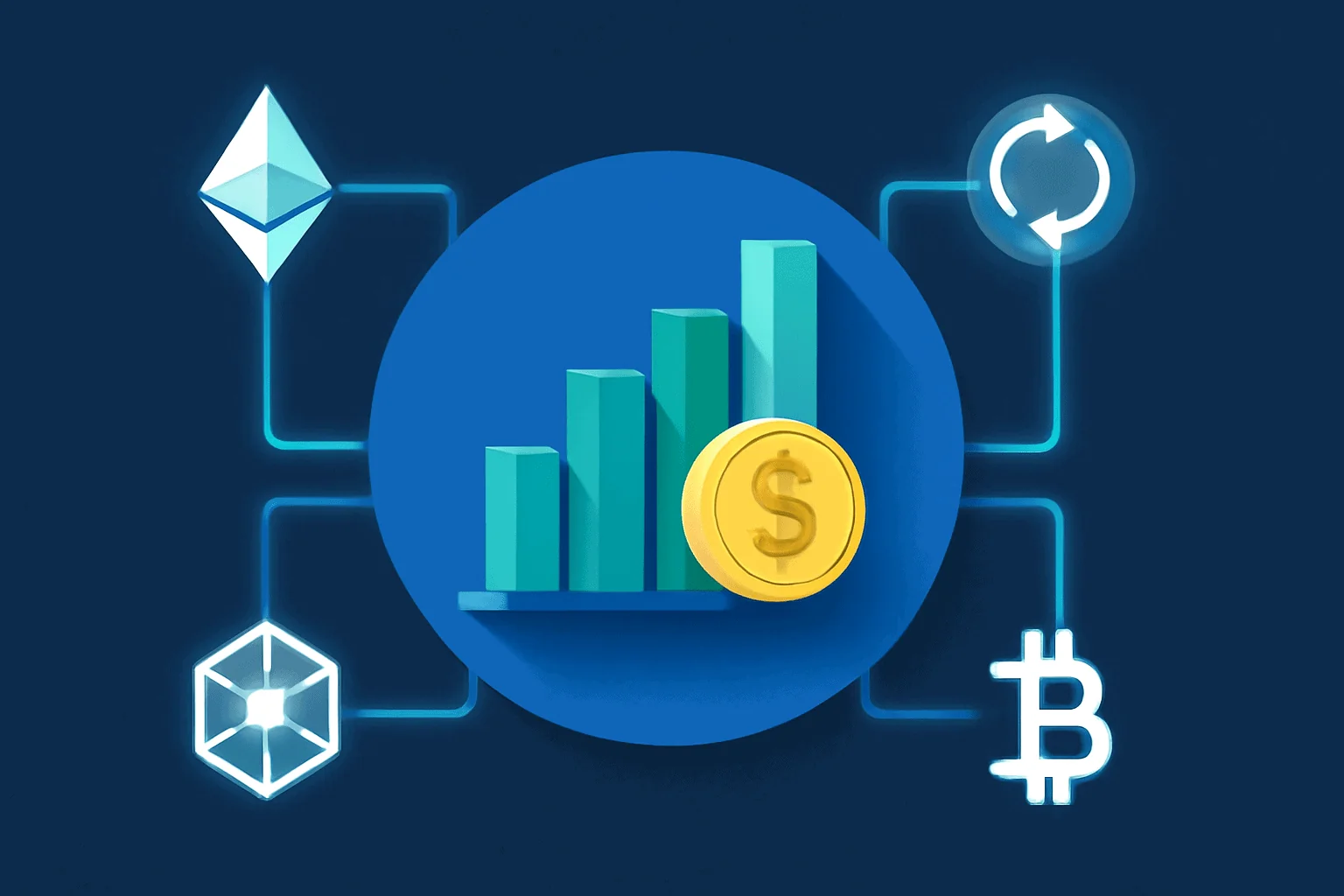

Think of DeFi as a global marketplace that never closes. Prices update by the second. Liquidity comes from users, not institutions. Transparency is radical: every transaction is recorded on-chain where anyone can verify it.
How DeFi Works in Plain Terms
DeFi runs on blockchains that support smart contracts, with Ethereum as the most widely used. A smart contract is code that holds assets and enforces rules automatically. Once deployed, it’s hard to change, which is both a strength and a risk.
Users interact with these contracts through wallets. When you click “swap” or “deposit,” your wallet sends a transaction to the contract. If the rules are met—say you provide enough collateral—funds move. No one “approves” you; the code does.
Fees are paid in the network’s native token (e.g., ETH for Ethereum). During busy periods, fees can spike. On cheaper networks like Arbitrum, Optimism, Base, BNB Chain, or Polygon, the same actions cost cents rather than dollars.
Core Building Blocks
Most DeFi apps are combinations of a few simple primitives. Understanding these unlocks the rest of the ecosystem.
- Decentralized exchanges (DEXs): Protocols like Uniswap or Curve let you trade tokens directly from your wallet using liquidity pools. Prices change based on pool balances.
- Lending markets: Protocols such as Aave and Compound let you supply assets to earn interest or borrow against collateral. Liquidations happen if your collateral value falls.
- Stablecoins: Tokens pegged to a fiat currency, usually USD. Some are backed by reserves (USDC), others are crypto-collateralized (DAI).
- Yield aggregators: Tools that route your deposits to the highest-yield strategies with automated compounding.
- Derivatives and perps: On-chain futures and options that let you go long or short with leverage, managed by oracles and funding rates.
These pieces interlock. A trader might borrow stablecoins on Aave, trade on a DEX, then park the proceeds in a yield pool. Each hop is transparent and programmable.
Why People Use DeFi
Motives vary. Some users want open access—no paperwork or credit checks. Others seek yields unavailable in the traditional system. Developers use DeFi like financial Lego, composing new products at speed.
Two micro-scenarios: A freelancer in Manila gets paid in USDC on a Sunday and swaps a portion to local currency via a DEX—no bank delays. A market maker in Paris supplies ETH and USDC to a pool and earns trading fees 24/7 without signing contracts.
What You Actually Do in DeFi
Most beginners stick to a few straightforward actions. Start small, verify addresses, and keep notes on what you approve.
- Set up a wallet: Install a non-custodial wallet like MetaMask or Rabby. Write down your seed phrase offline. Enable hardware wallet support when possible.
- Fund the wallet: Buy crypto on a reputable exchange and withdraw to your address. Keep a little native token for network fees.
- Choose a network: Begin on a cheaper chain or an Ethereum Layer 2 to reduce fees. Add the network RPC in your wallet if needed.
- Connect to a protocol: Visit the official site, confirm the URL, and connect your wallet. Avoid links from random DMs or ads.
- Try a small action: Swap a minor amount on a DEX, or supply a stablecoin to a lending market. Observe confirmations, fee costs, and portfolio updates.
As you gain confidence, consider learning about token approvals and revoking them when no longer needed. Approvals grant contracts permission to move your tokens—handy but risky if left unlimited.
DeFi vs Traditional Finance at a Glance
The differences are stark in custody, access, and transparency. The table below highlights the core contrasts most beginners notice.
| Aspect | DeFi | Traditional Finance |
|---|---|---|
| Access | Open to anyone with a wallet | Account approval and KYC required |
| Custody | User holds private keys | Bank or broker holds assets |
| Transparency | On-chain, auditable in real time | Periodic reports, opaque order books |
| Availability | 24/7 globally | Business hours, holidays matter |
| Intermediaries | Smart contracts enforce rules | Human and institutional middlemen |
| Risk Profile | Smart-contract bugs, market volatility | Counterparty risk, operational restrictions |
DeFi’s openness is powerful, but with more control comes more responsibility. You are your own bank, risk officer, and auditor.
Common Risks You Should Recognize
Risk management separates curious beginners from repeat participants. Treat every protocol like a startup—some thrive, some fail.
- Smart-contract risk: Bugs or exploits can drain funds. Audits help but aren’t guarantees.
- Market risk: Token prices swing hard. Collateral can be liquidated fast if markets move against you.
- Stablecoin risk: Pegs can wobble. Collateral composition and reserve transparency matter.
- Oracle and liquidity risk: Bad price feeds or shallow liquidity can cause unexpected losses.
- Key management: Lose your seed phrase, lose your funds. Phishing kits mimic popular sites to steal approvals.
Practical habits help: use hardware wallets, split funds across addresses, set borrow alerts, and test with tiny amounts before scaling up.
Fees, Speeds, and Networks
Not all chains feel the same. Ethereum mainnet is the most secure and liquid, but it can be pricey during peak demand. Layer 2 networks like Arbitrum, Optimism, and Base batch transactions for lower fees. Sidechains and alternative L1s offer speed with different security trade-offs.
Bridges move assets across chains. They’re convenient but add risk. If you bridge, use established options, verify contract addresses, and avoid rushing large transfers.
How DeFi Generates Yield
Yields come from real activities—trading, borrowing, and incentives. Understanding the source helps you judge durability.
- Trading fees: Liquidity providers on DEXs earn a cut of every trade in their pool. Returns vary with volume and price movement.
- Borrow interest: Lenders earn from borrowers, with rates shifting based on supply and demand.
- Incentives: Protocols may distribute tokens to bootstrap liquidity. These rewards can fade.
- Funding payments: In perpetual futures, longs and shorts pay each other to keep prices aligned.
If a yield looks abnormally high, ask what activity pays for it. If the answer is “more tokens,” assume it can compress quickly.
Tips for a Safe First Week
A measured approach beats a lucky streak. Establish a checklist and stick to it under pressure.
- Bookmark official protocol URLs and double-check them before connecting your wallet.
- Start on a testnet or with a trivial amount to walk through the flow.
- Use a fresh wallet for experimenting; keep savings on a separate address with hardware protection.
- Set borrow limits well below the maximum. Markets gap on weekends and at night.
- Review token approvals periodically and revoke unused ones via reputable revoker tools.
These habits feel slow at first. They soon become muscle memory that prevents expensive mistakes.
Where DeFi May Be Headed
Trends point toward cheaper transactions, better UX, and more tokenized real-world assets. On-chain identity and intent-based transactions should reduce user error. Regulation is evolving unevenly, but clearer rules could unlock mainstream integrations.
The core idea remains: programmable money that anyone can access. Once you grasp wallets, networks, and smart contracts, the rest is exploration—one careful click at a time.